
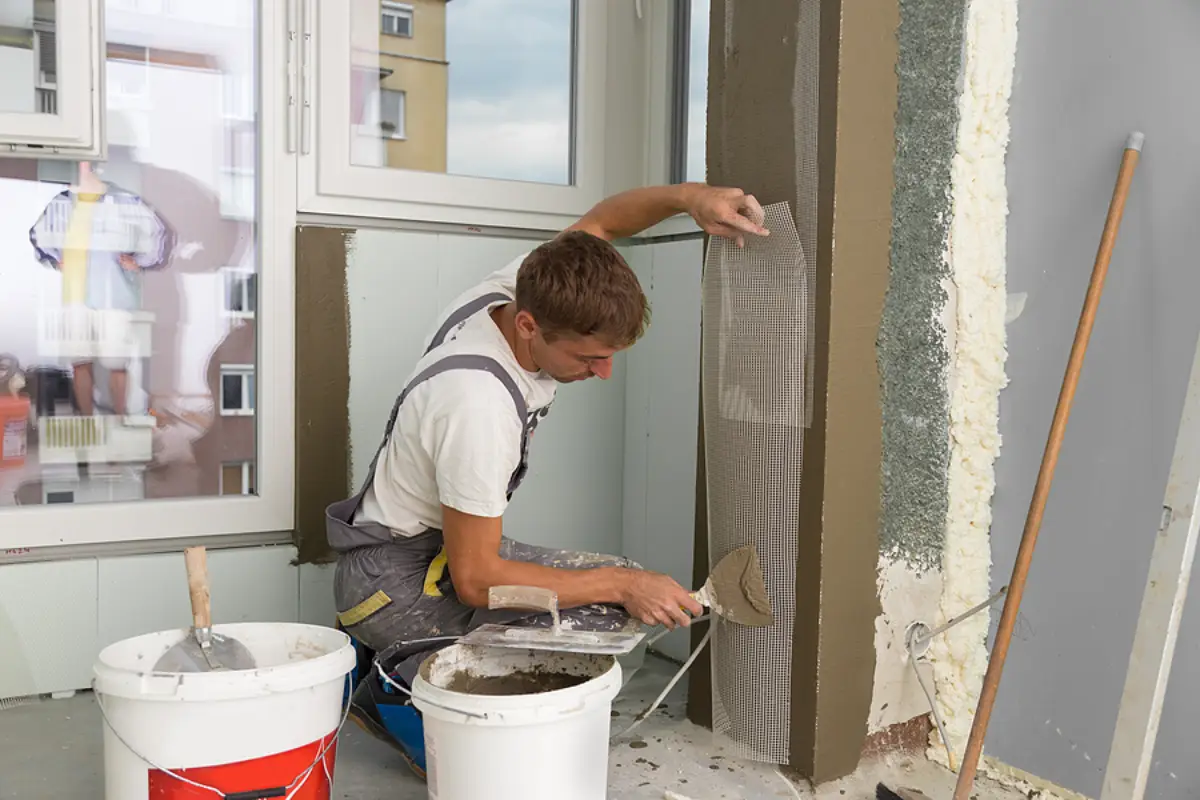
The best rental renovations aren't always the most expensive ones. While premium materials can attract attention during a showing, many begin losing their value after a few tenant cycles. Every day use, furniture movement, pets, and routine wear can quickly reveal weaknesses in upgrades that seemed like smart investments at first.
For Mission Viejo property owners, renovation planning should balance appearance with durability. A property that remains easy to maintain often generates stronger long-term returns. Whether you're evaluating a home through a home watch service or preparing for your next turnover, choosing practical improvements can help protect your investment for years to come.
Key Takeaways
- Durable materials often provide stronger long-term returns than luxury finishes.
- Certain high-end upgrades create recurring maintenance expenses.
- Timeless designs generally stay appealing through multiple tenant cycles.
- Flexible features help rentals accommodate a broader range of renters.
- Strategic renovations can lower repair costs and support consistent occupancy.
Looking Beyond the Initial Renovation Cost
Many owners focus heavily on installation costs while overlooking future maintenance expenses. A renovation that appears attractive today may require substantial repairs within a few years.
According to the U.S. Census Bureau, the national rental vacancy rate measured 7.1% in Q3 2025, reflecting continued demand for quality rental housing. In markets like Mission Viejo, renters value clean, functional homes that offer comfort and reliability.
That creates an opportunity for owners who invest in upgrades designed to withstand daily use. Practical improvements often generate stronger returns because they reduce turnover expenses and help properties stay market-ready.
Hardwood Flooring Often Requires More Attention Than Expected
Hardwood flooring remains popular because of its appearance. However, rental properties experience conditions that differ significantly from owner-occupied homes.
Moving furniture, pet activity, dropped items, and daily foot traffic can quickly leave scratches and dents. Even careful tenants contribute to gradual wear over time.
Why Maintenance Costs Add Up
Refinishing hardwood floors between tenants can become expensive. Scheduling repairs may also extend vacancy periods while work is completed.
Many owners reviewing their portfolio through owner resources discover that flooring maintenance represents a larger operating expense than anticipated.
A More Practical Alternative
Luxury vinyl plank flooring has gained popularity because it offers:
- Strong resistance to scratches
- Better moisture protection
- Easier cleaning during turnovers
- Lower replacement costs
These advantages make it particularly useful in rental environments where durability matters.
Premium Carpet Can Lose Value Quickly
High-end carpet feels comfortable when newly installed, but repeated occupancy often shortens its useful lifespan.
Traffic patterns become visible in hallways and living areas. Stains accumulate despite professional cleaning. Odors can linger after move-outs, especially in households with pets.
The Turnover Challenge
Each tenant turnover increases the likelihood that sections of carpet will need replacement rather than cleaning. This creates recurring expenses that continue throughout the property's life cycle.
Owners who prioritize durability often reference guidance from articles discussing preventive maintenance practices because flooring choices directly affect ongoing maintenance requirements.
Hard-surface flooring solutions typically reduce these recurring replacement costs.
Custom Cabinet Finishes May Create Future Headaches
Custom cabinetry can make kitchens stand out, but specialized finishes often become difficult to maintain over time.
Cabinet edges experience constant contact from hands, cookware, cleaning supplies, and daily use. Small chips and scratches become increasingly noticeable as finishes age.
Matching Repairs Isn't Always Simple
A common issue arises when original paint colors, stains, or specialty coatings are no longer available.
Instead of repairing a small section, owners may find themselves repainting entire cabinet banks to maintain consistency.
Why Simpler Designs Last Longer
Neutral cabinet styles generally offer several benefits:
- Easier touch-ups
- Lower repair expenses
- Broader tenant appeal
- Better compatibility with future updates
These practical advantages often outweigh the initial visual appeal of highly customized designs.
Decorative Fixtures Can Complicate Maintenance
Stylish lighting fixtures and specialty hardware often look impressive in listing photos. Yet they frequently introduce maintenance challenges that owners don't anticipate.
Lighting remains one of the most frequently used systems within a home. The U.S. Energy Information Administration estimates lighting accounts for approximately 3.4% of electricity use in American homes.
That constant use contributes to wear over time.
Common Problems With Designer Fixtures
Some decorative fixtures rely on proprietary components that are difficult to replace.
Others require specialty bulbs or hardware unavailable through local suppliers. Delays in sourcing replacement parts can increase maintenance timelines and frustrate tenants.
Many Mission Viejo owners instead choose standardized fixtures that simplify future repairs while supporting modern aesthetics.
Trend-Driven Kitchens Often Age Faster Than Expected
Design trends change quickly. A kitchen that feels contemporary today may appear outdated within a few years.
Bold cabinet colors, highly stylized backsplashes, and niche design themes can limit long-term appeal.
Focus on Lasting Functionality
Successful rental kitchens often emphasize flexibility rather than trends.
When reviewing upgrades inspired by technology-driven rentals, many owners discover that practical improvements often create stronger tenant satisfaction than purely decorative features.
Neutral color palettes and timeless finishes generally remain attractive longer and simplify future updates.
Built-In Features Can Limit Future Flexibility
Custom built-ins may seem valuable during a renovation project. However, they can reduce a property's adaptability.
Different renters use living spaces differently. Fixed shelving, permanent workstations, and customized storage solutions may not suit every household.
Challenges Created by Permanent Features
Repairs become more complicated because replacements often require custom fabrication.
Built-ins may also limit furniture placement options and reduce flexibility for future occupants.
Owners evaluating rental layout decisions frequently find that open, adaptable spaces appeal to a wider range of renters.
Maintaining versatility helps properties remain competitive as tenant preferences evolve.
Luxury Bathrooms Can Increase Ongoing Upkeep
Bathrooms experience heavy daily use. As a result, expensive finishes often require more maintenance than owners anticipate.
Frameless glass showers, specialty tile installations, and premium fixtures can be attractive initially. However, they frequently demand consistent upkeep to maintain their appearance.
Maintenance Concerns Worth Considering
Common issues include:
- Water spot accumulation
- Grout discoloration
- Mineral deposits
- Specialty replacement parts
These concerns can increase maintenance costs throughout the property's life.
Materials That Deliver Better Long-Term Value
Many owners focus on practical bathroom upgrades that simplify maintenance.
Property owners reviewing recommendations regarding routine rental inspections often identify bathroom maintenance as a recurring expense category.
Durable surfaces, standardized fixtures, and easy-to-clean materials generally provide stronger long-term performance.
FAQs about Rental Renovation Decisions in Mission Viejo, CA
How can I tell whether a renovation will improve rental performance?
Evaluate whether the upgrade improves durability, tenant appeal, and maintenance efficiency. Improvements that reduce future expenses often provide stronger value than upgrades focused primarily on appearance.
Are expensive materials always a poor choice for rental properties?
Not necessarily. Some premium materials perform well over time. The key consideration is whether the material can withstand repeated occupancy without generating excessive repair or replacement costs.
Should rental properties be renovated differently from owner-occupied homes?
Yes. Rental renovations should prioritize durability, ease of maintenance, and broad tenant appeal. Owner-occupied homes often emphasize personal preferences that may not suit future renters.
Why do neutral finishes remain popular in rental housing?
Neutral finishes appeal to a wider audience and remain visually relevant longer. They also simplify future repairs, repainting projects, and renovation updates between tenant turnovers.
Can practical renovations help reduce vacancy periods?
Well-maintained properties with durable features often attract renters more quickly. Faster turnovers and fewer maintenance delays can help owners minimize vacancy-related income loss.
Getting More Value From Every Property Improvement
The most successful rental renovations often prioritize durability over luxury. Features that withstand daily use, simplify maintenance, and remain appealing through multiple tenant cycles usually deliver stronger returns over time.
At PMI Mission Viejo, we help owners evaluate improvements that support long-term rental performance while reducing unnecessary maintenance expenses. Whether you're preparing for a turnover or planning future upgrades, our team can help you make informed decisions that protect your investment. When you're ready to reduce repair surprises and keep your property operating efficiently, streamline your property upkeep with professional maintenance support.
